#13 Arrivederchi Italy – We’re Alberta Bound

We are in the final day of our 30 days in Italy and are relaxing poolside rather than walking 10,000 steps.
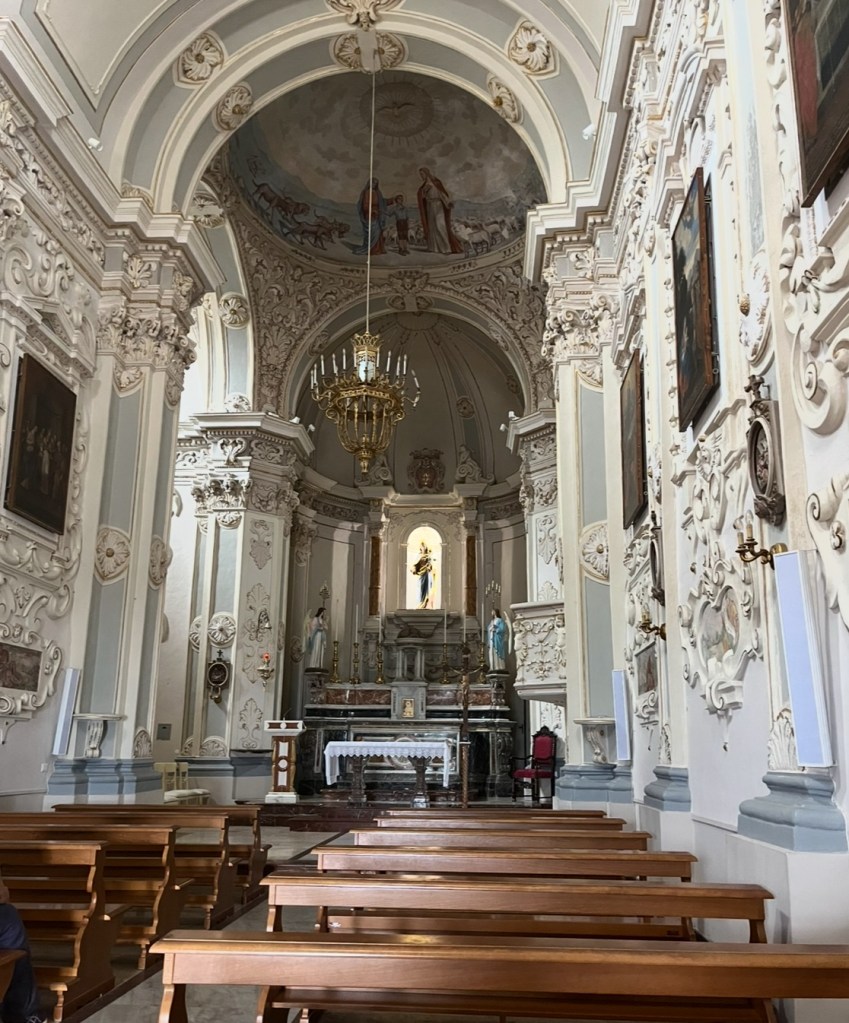
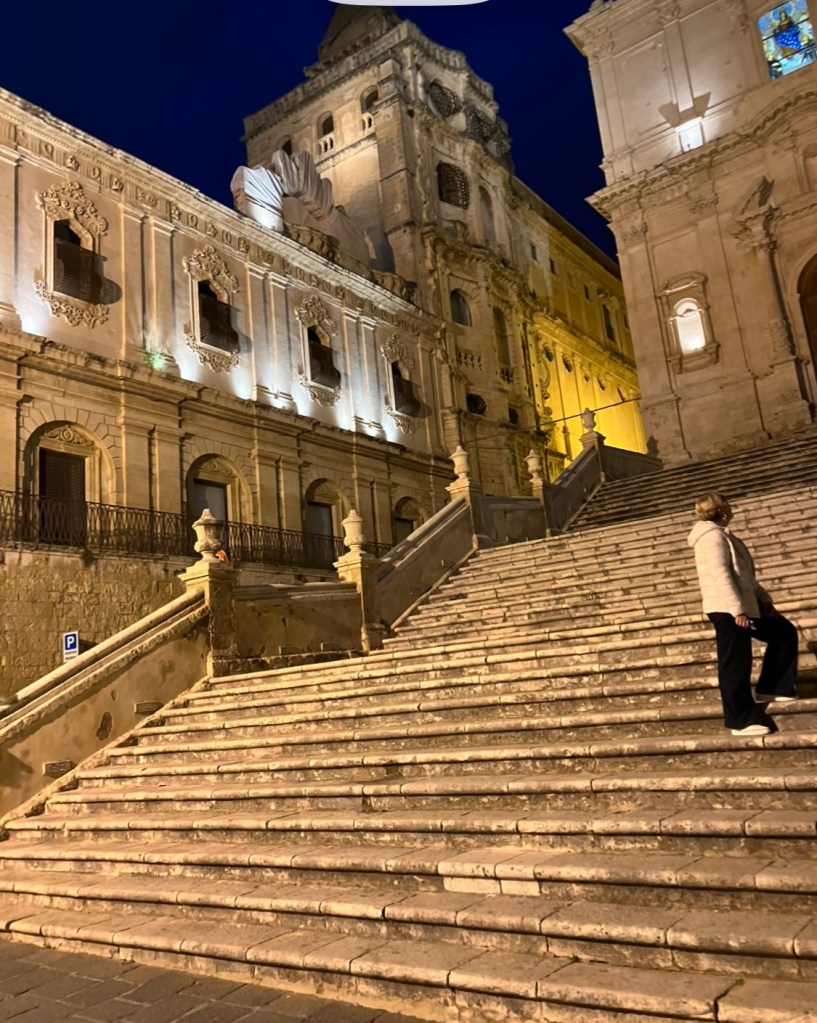
The southern sun has warmed. We’ve driven for miles and miles around villages and farmland, walked through steep hillside towns climbing to their centres  and grandiose cathedrals.

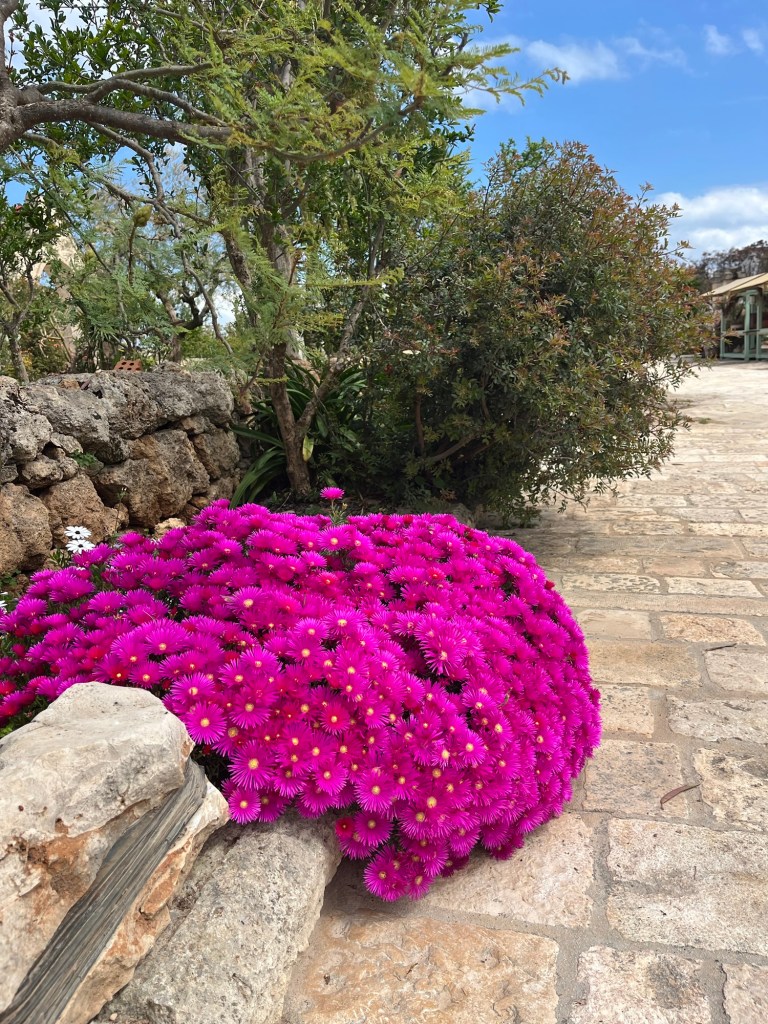
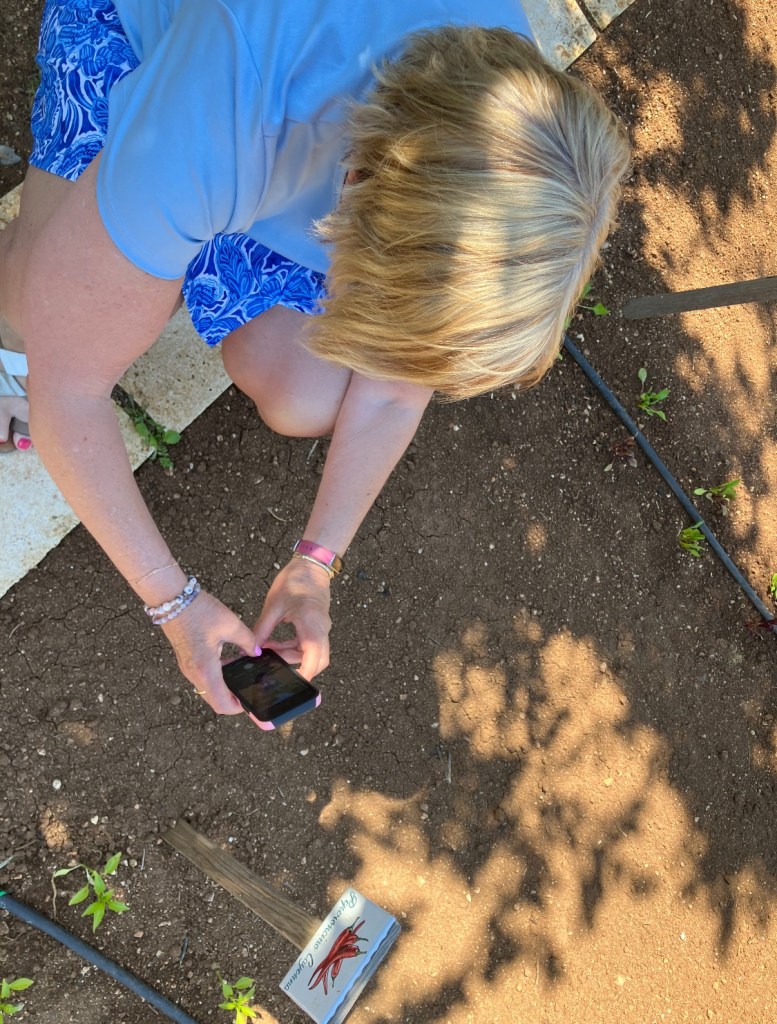
Strolled through gardens and orchards with even M, a non-gardener, trying to help me identify sweetly scented blossoms. 
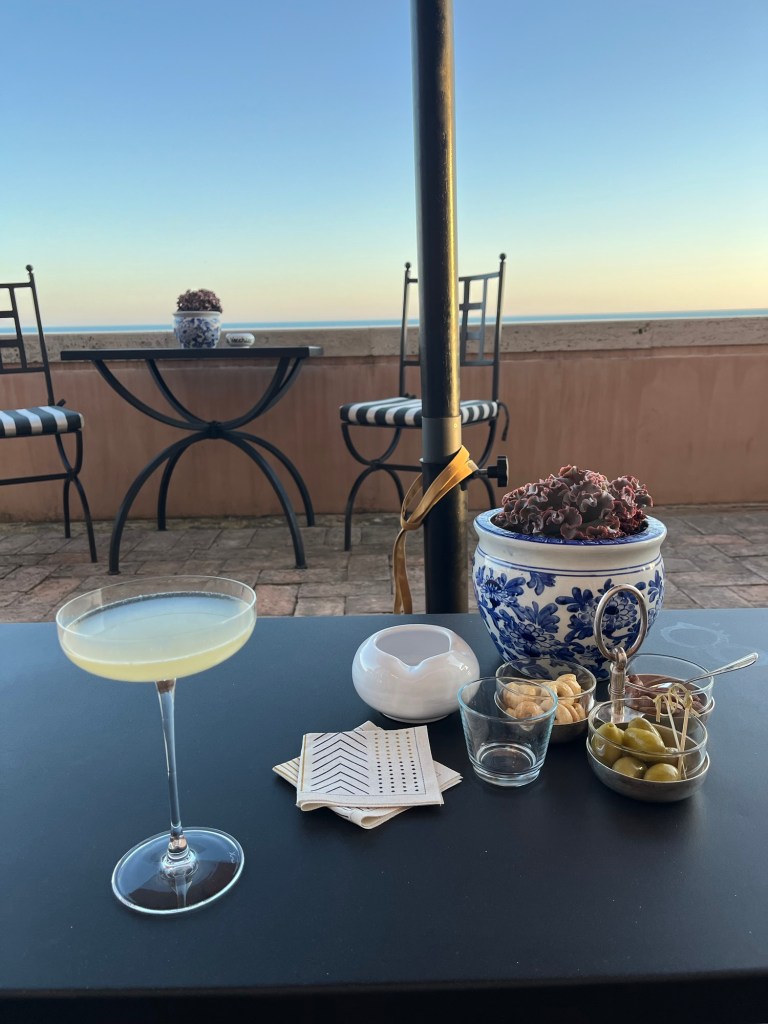
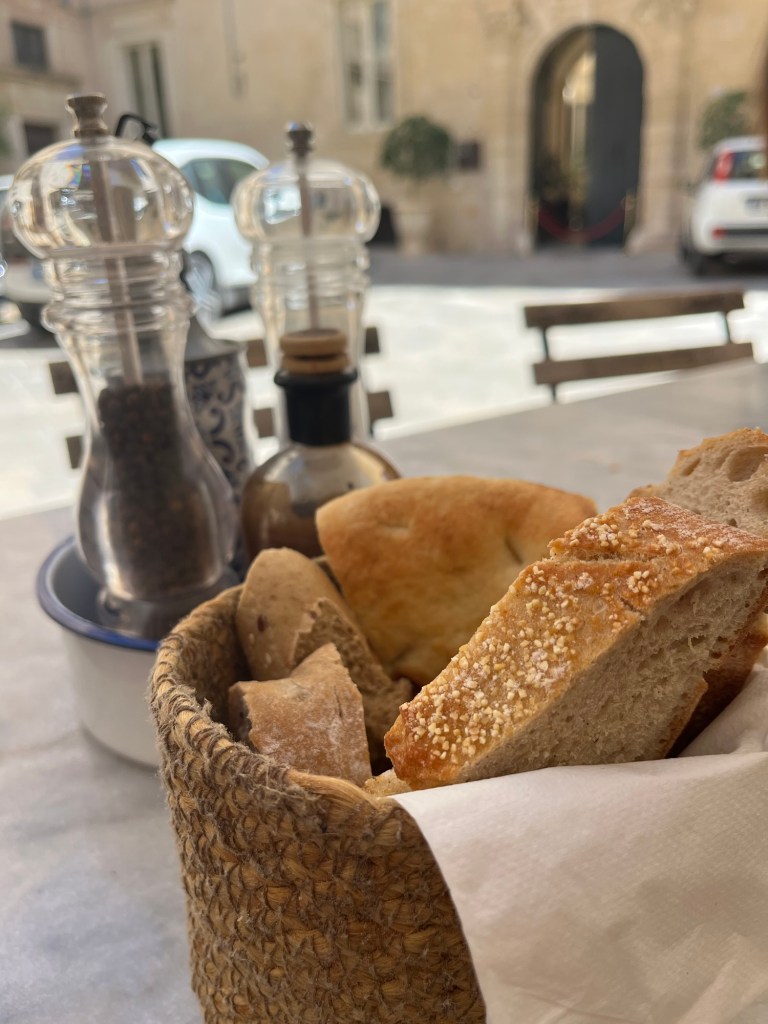
  And we’ve dined morning, noon and late at night.  (A 7:30 dinner reservation is early, most restaurants don’t get guests until 9 pm.) We even discovered what Italians do when all the shops close from 12:30 til 4:30 – they go home and cook big meals and rest, before restarting their work day late afternoon. 

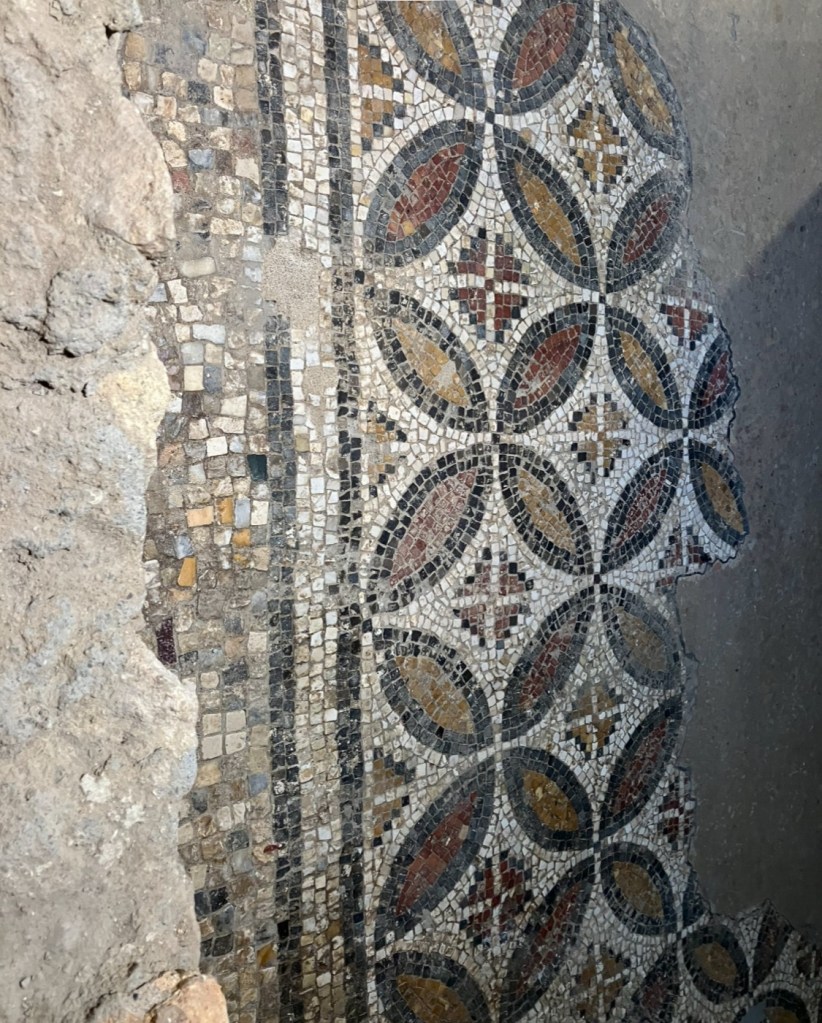
    Though we planned this day to be chill  before our return to Alberta’s late spring we don’t sit still. We wander through a museum created from a restoration of La Posta Vecchia, a grand home first built on a then already ancient site in 1640! Destroyed in a fire in 1919 it evidently sat ignored until purchased and restored by the famous magnate J. Paul Getty in 1960 with the guidance of the archaeological societies of Etruria. But then, presto(!) – artifacts of all kinds, including finely crafted mosaic floors were discovered under the basement dating to the … hang on … first and second century AD!!
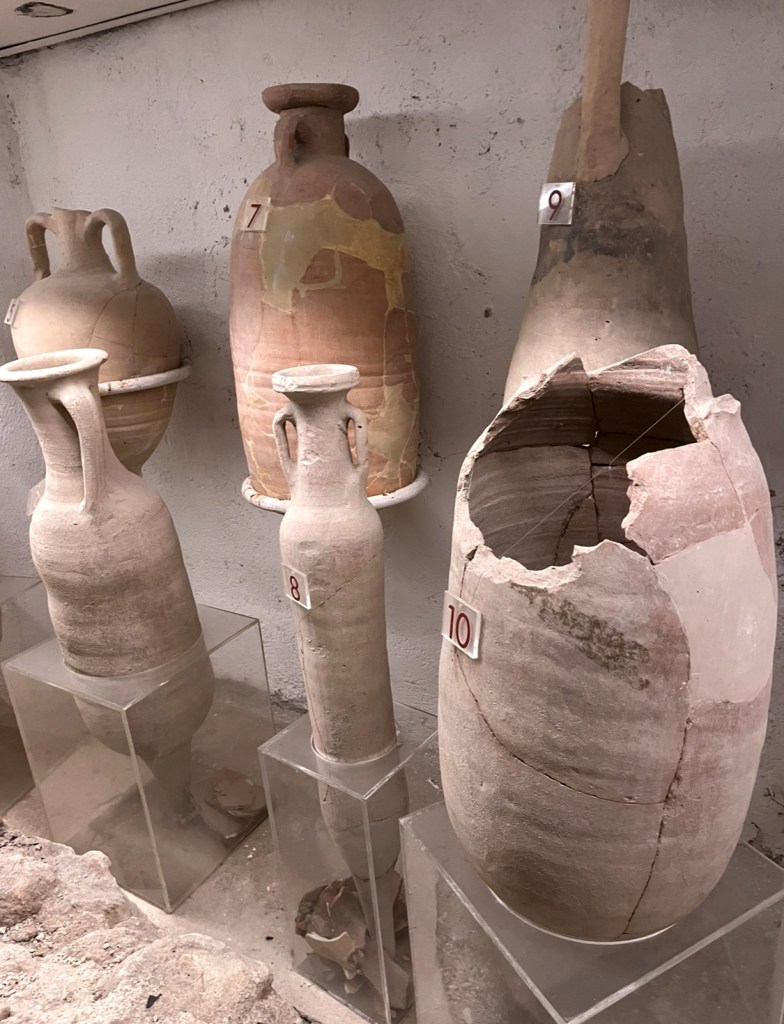
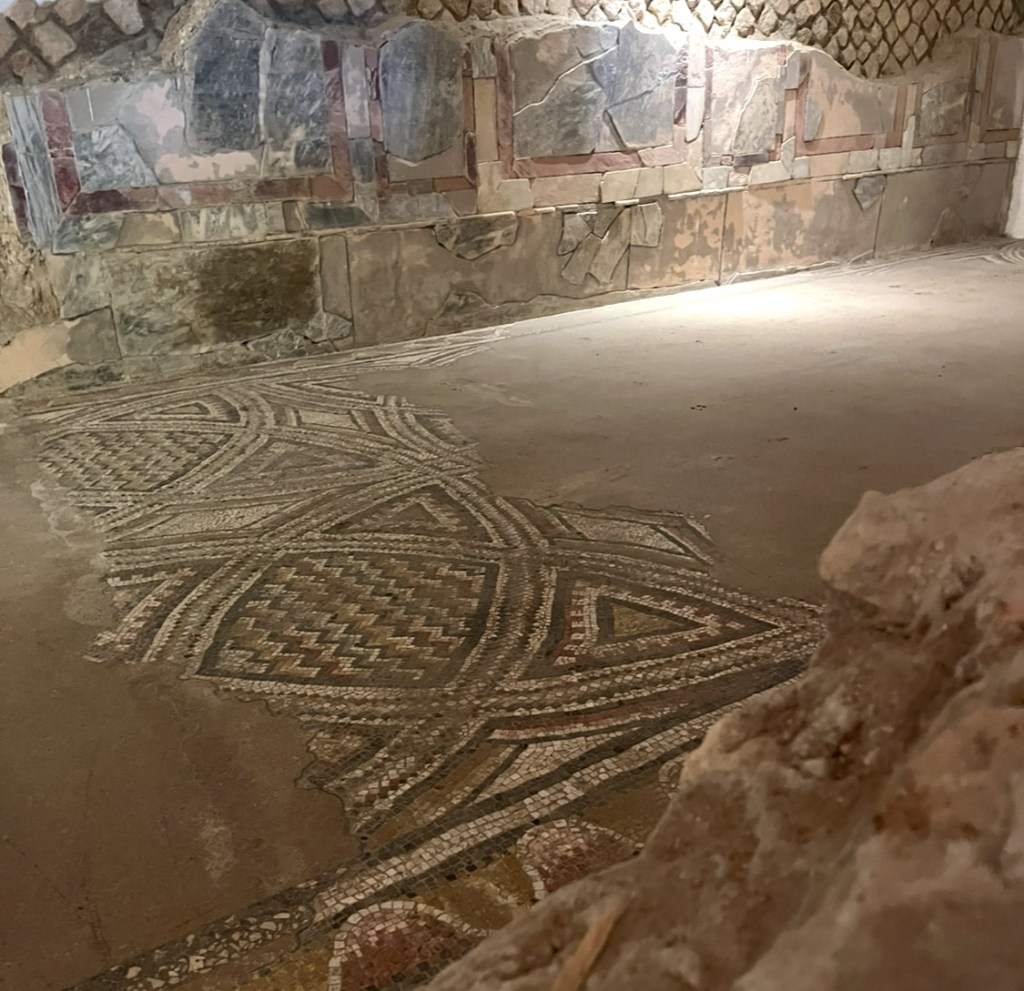
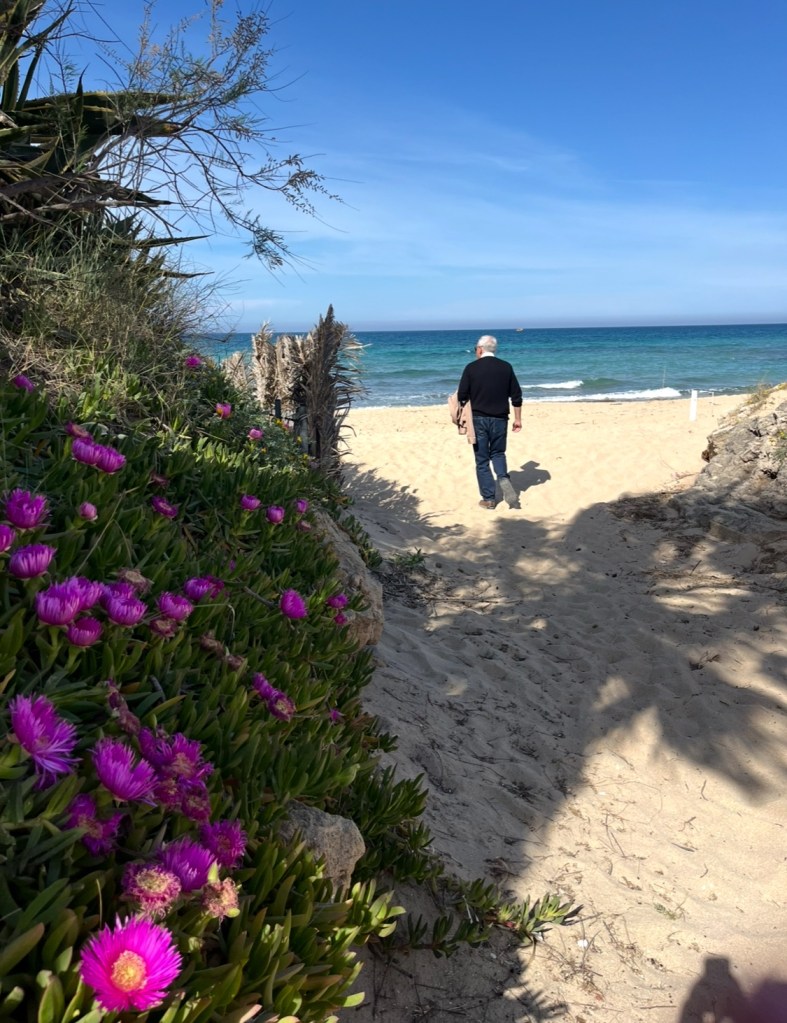
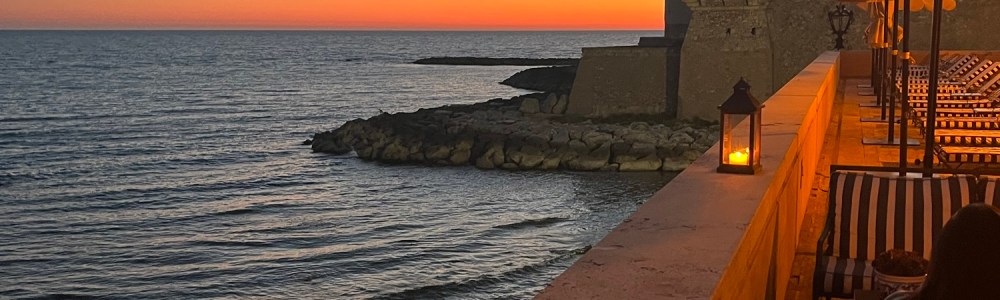
Trying to get our heads around that we took a beach walk along the shores of the Mediterranean. I had to pause and consider the history of what we’d just seen – trying to feel the spirits from 2000 years ago!
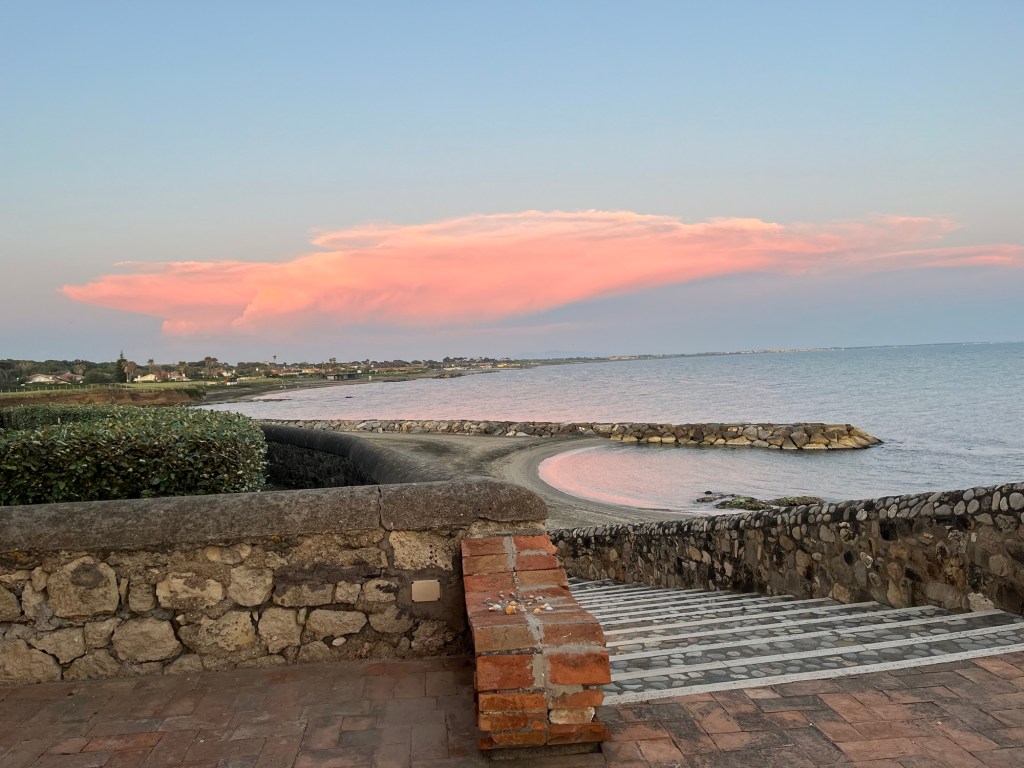
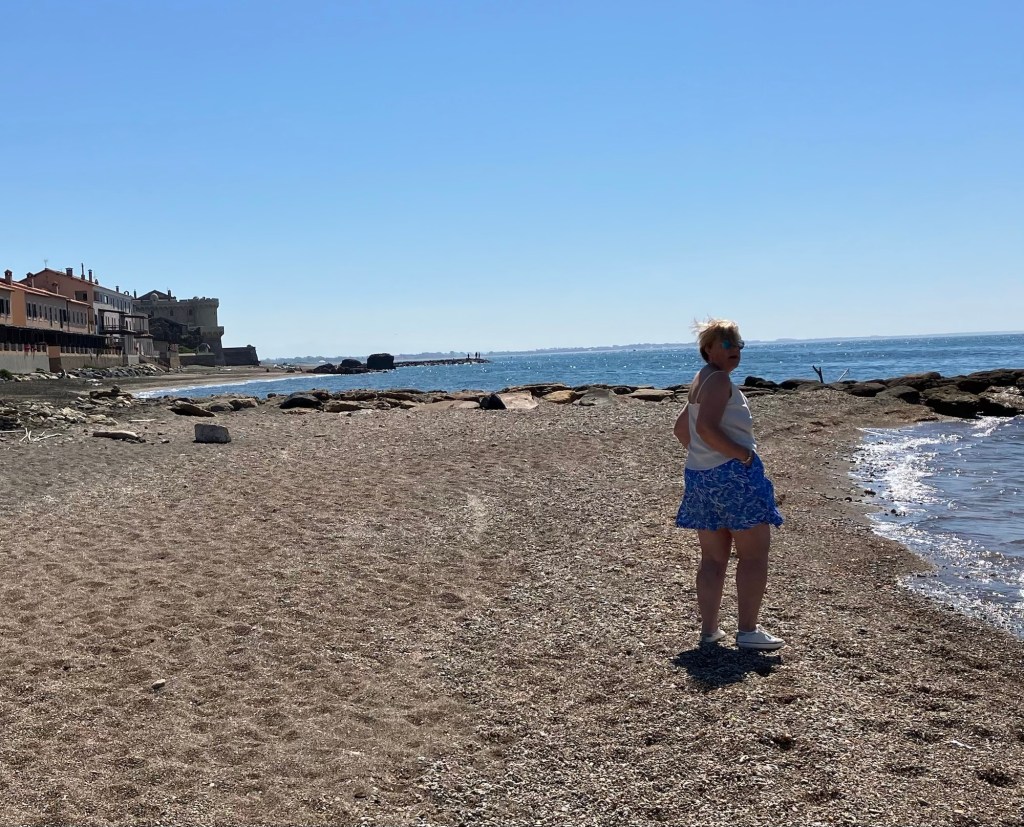
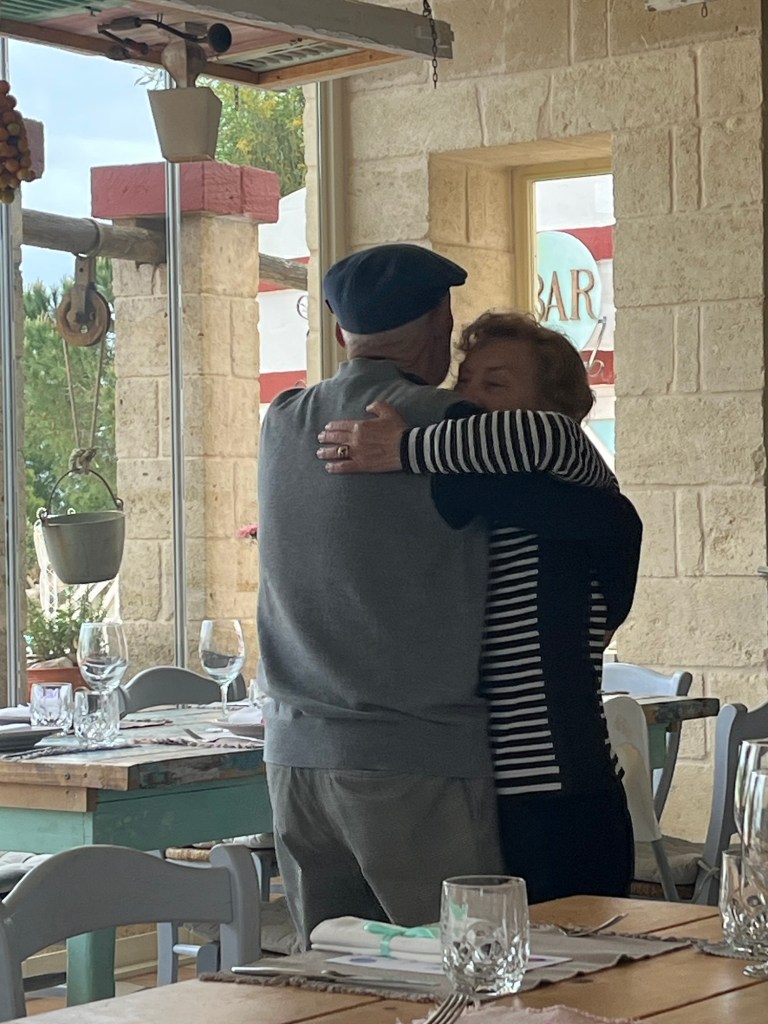
It makes me want to cry and be happy at the same time. Being close to works of art so ancient makes me think we have to get the most out of our time here on earth, create art,  put down our iPhones, lol, love the ones we’re with,  and be present for each other. It’s what we have.
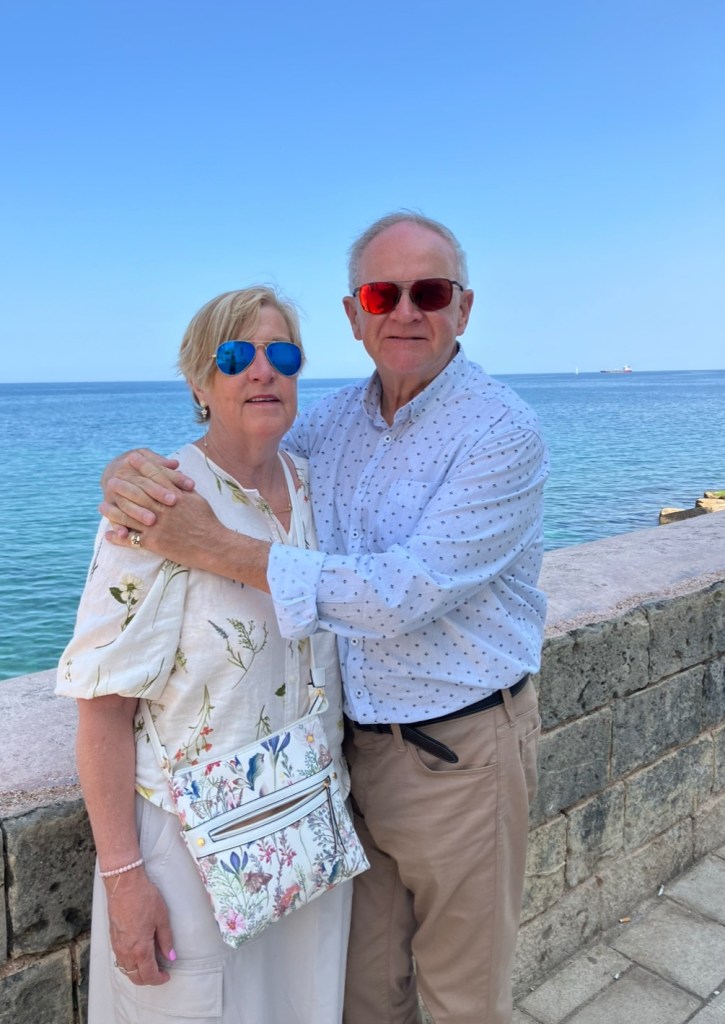
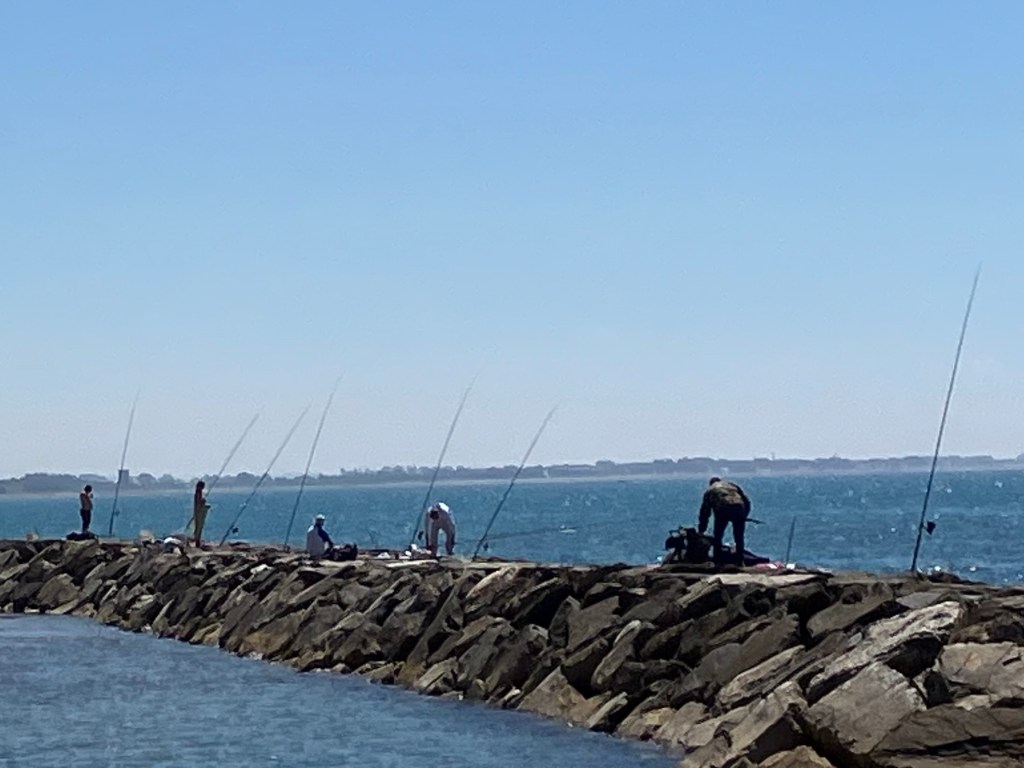
As we watched the fishermen  on the rocky ledge I couldn’t stop considering how I might make life at home  more Italian.
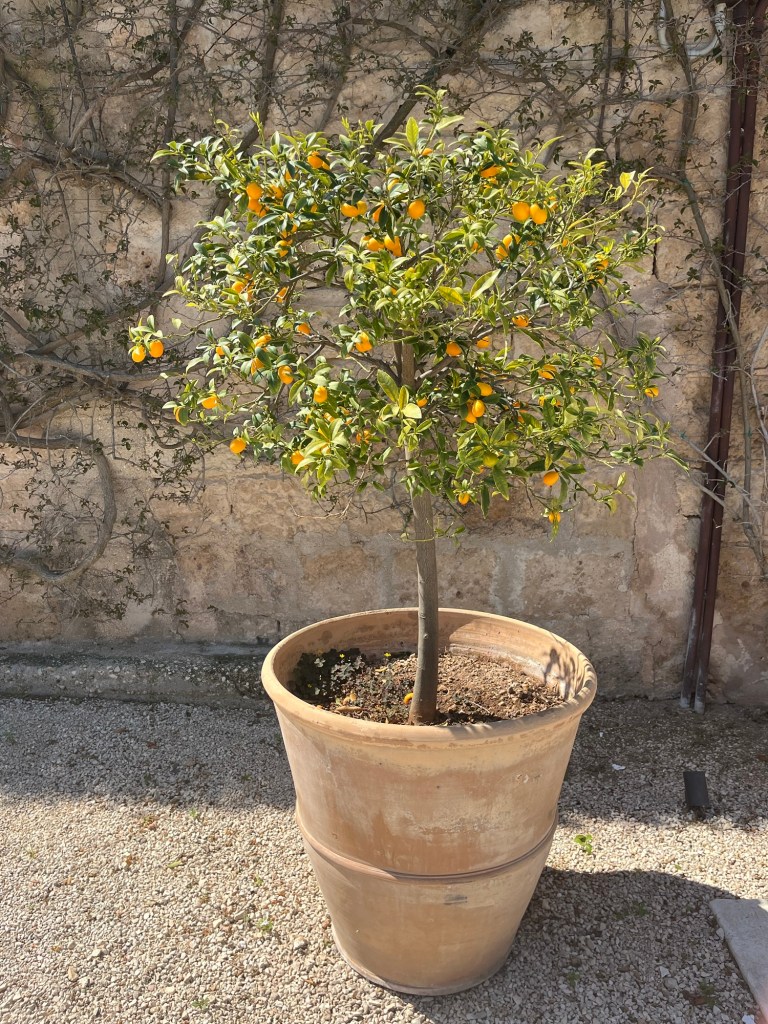
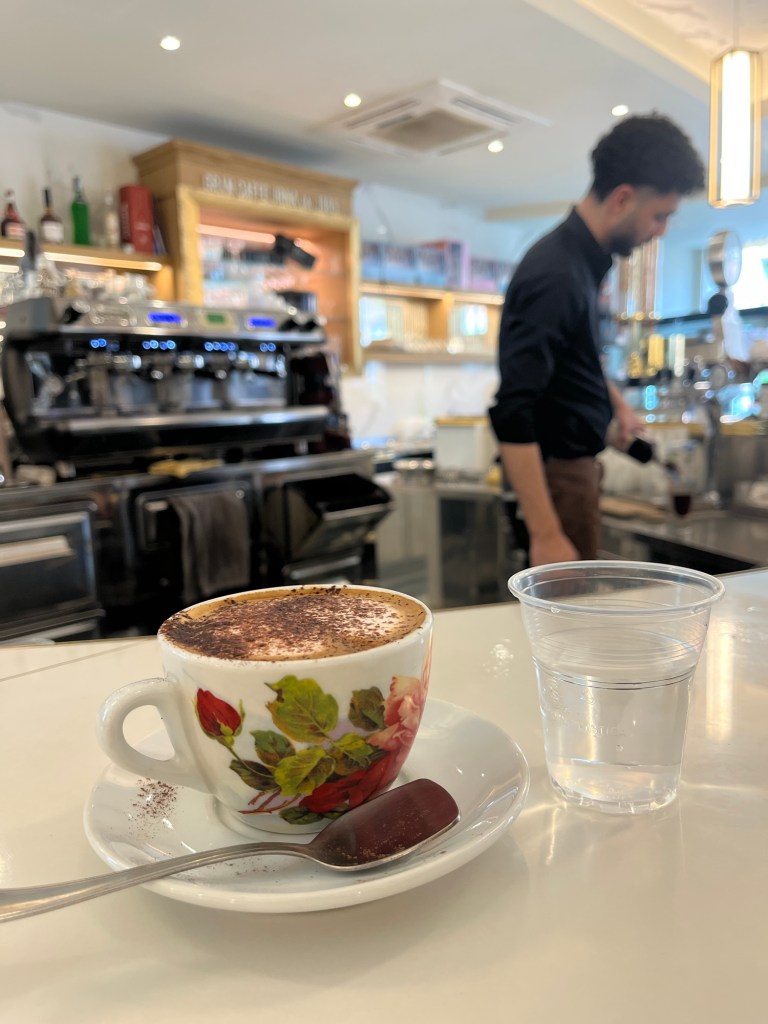
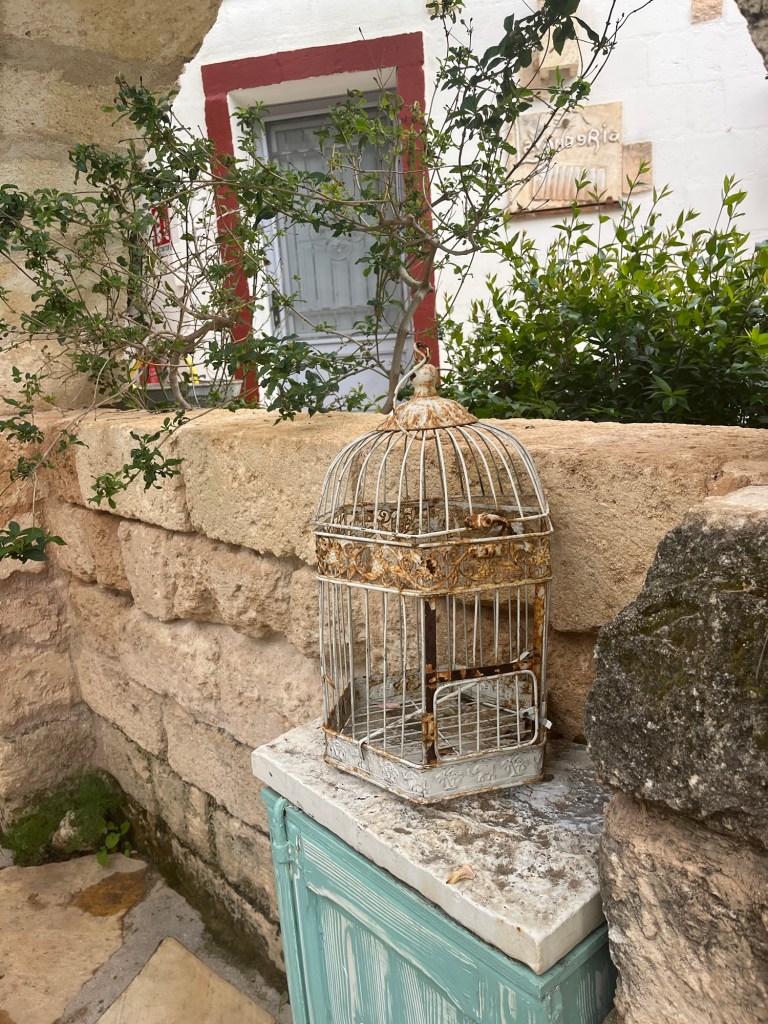
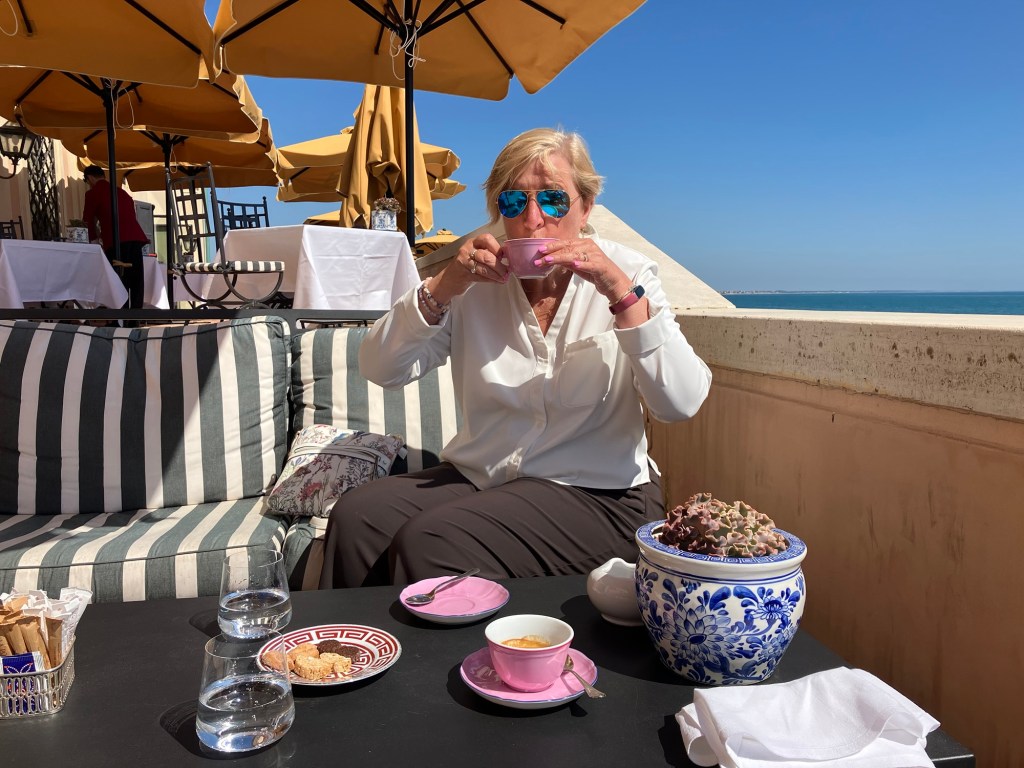
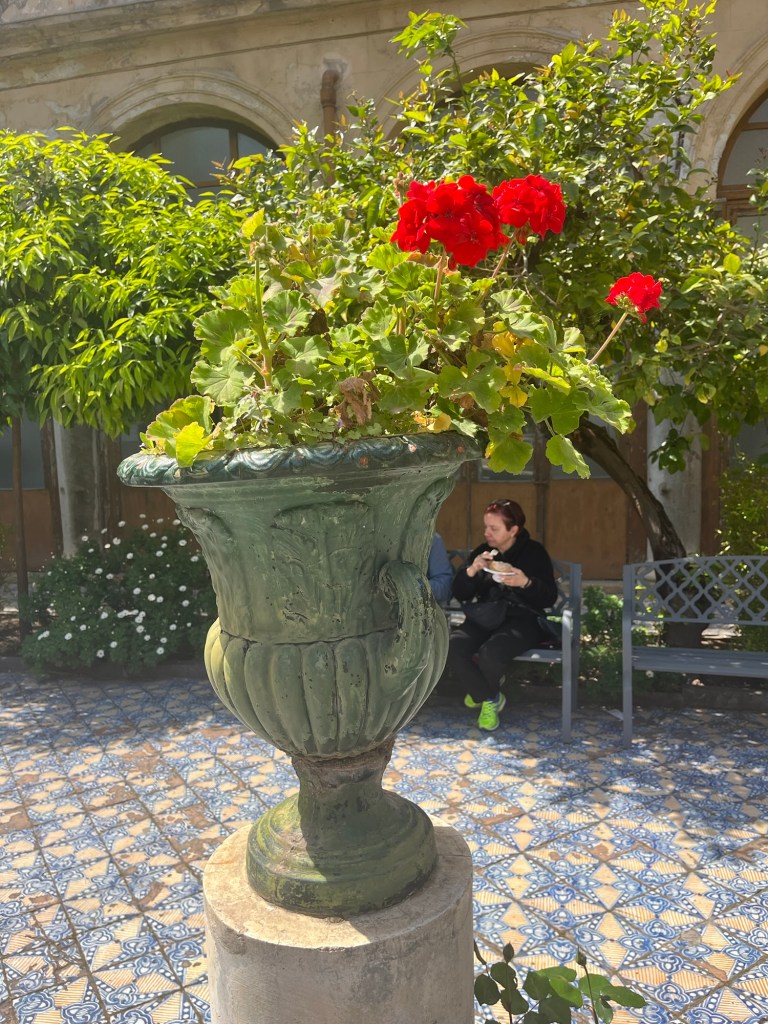
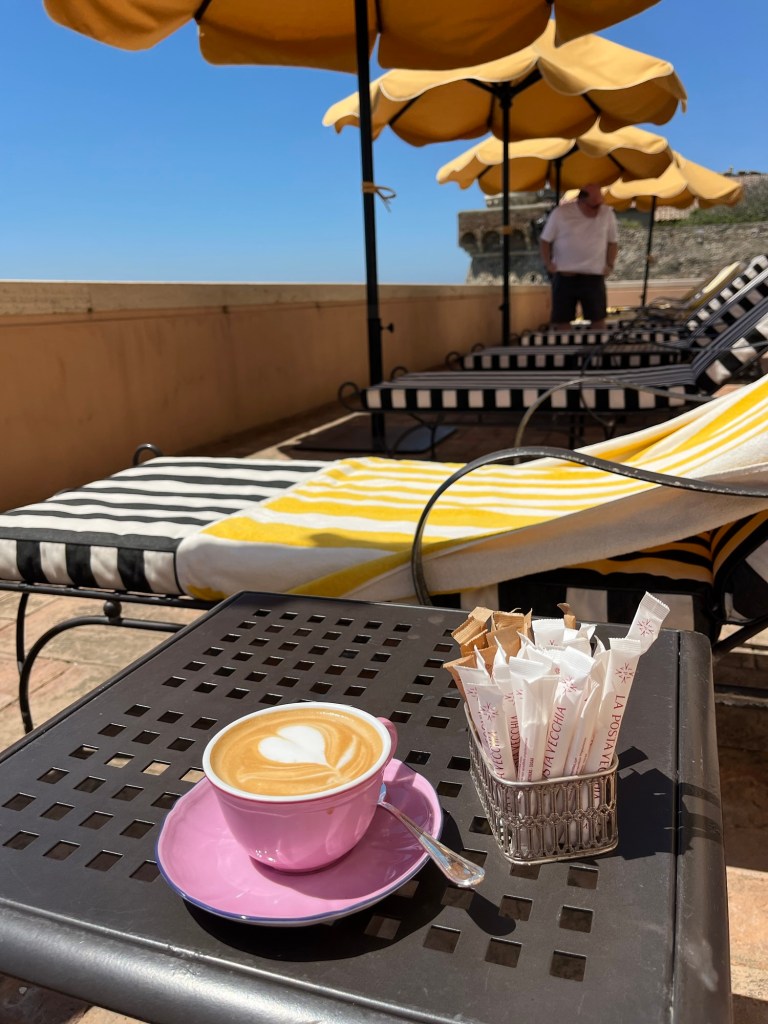
I’ve decided I need to build a stone wall, install huge (maybe ancient – 1st century) terracotta planters, shine a light up my apple tree, plant a lemon tree (ha!), drink all my future cappuccinos from a pretty pink china cup, eat more bread and gelato and somehow be thin, wear pungent floral perfume and gaze at it all through popular crazy-huge black rimmed glasses. Prego. Prego. We’re soon to be Alberta bound. 
Phone-less in San Francisco

In response to reading melancholy blogs from parents experiencing  withdrawal from kids gone away to college and university, I promised to re-post a couple of those learning curves of my own.   So here is PHONE-LESS IN SAN FRANCISCO

Seven P.M. on a Sunday night my twenty-year-old daughter calls,  obviously near tears.  “Someone stole my phone,” she cries.  “I feel so cut off without it.”

But she is on a phone, one the cell company she’s been dealing with, has given to her.  Born in 1959 myself, it takes me a minute to catch up.  It’s not the phone, it’s the information in the phone.  “I feel like I have to start over meeting people, making contacts.  I feel so alone again, Mom.”

“Honey, honey, I get that you’re upset.  But those people will call you.  You’ll get your numbers again.”

“Mom, it doesn’t work like that.  I’ve done this enough to know lots of those people were never going to call me.”  What she’s done enough, is move around, this daughter of mine.  This is the third time in her young life that she has by choice surrounded herself with absolute strangers – situations where she had to work to have even a single friend.  From our home in Calgary, at age sixteen, she bravely did a high school exchange in Rome, Italy – isolating herself further by having to learn Italian.  Her siblings went to school on the west coast, but she headed east to Concordia University in Montreal.  Now, trading another cold Canadian winter for a foggy one, she was taking part in Concordia’s school abroad program by doing a year at SFSU in San Francisco.  “People here have their own friends.  I’m the new one.  I have to call them,” she explained further.

I was alone in our renovated, too big house, when she’d called.  Her dad had taken two of our nephews to an early hockey game.  The weather outside was shifting, from a Indian summer to light flurries.  Earlier I’d been in the yard pulling down sweet pea vines and raking leaves, and wishing I was cooking a Sunday dinner like some of my friends would be, for kids who stayed in the city for jobs and school.

“What are you doing right now, Mom?” she asked quietly.

“Missing you guys.  Dad’s gone to a hockey game.  I was going to make toast but the breads gone moldy.

“Mine too,” she said.  “My bread’s gone bad, too.”

“I guess we need each other to finish a loaf of bread,” I said, from where I watched the sky turn dark outside the living room.

“Yeah, we do.  I miss you guys so much.”

“You’ll get your numbers back, Lily.  You’ll run into people.  And some friends will call.  It just seems bad now.  I’ll email you Zoe’s and Hudson’s and Cole’s and your cousin’s numbers.”

“Will you do it now?”

Of course, I told her, yes, I’d do it right away.  And I would add a note to her email, about how brave she was, and how I knew the next time we talked she would be okay again, having found her friends.

Phone-less in San Francisco

Seven P.M. on a Sunday night my twenty-year-old daughter calls,  obviously near tears.  “Someone stole my phone,” she cries.  “I feel so cut off without it.”

But she is on a phone, one the cell company she’s been dealing with, has given to her.  Born in 1959 myself, it takes me a minute to catch up.  It’s not the phone, it’s the information in the phone.  “I feel like I have to start over meeting people, making contacts.  I feel so alone again, Mom.”

“Honey, honey, I get that you’re upset.  But those people will call you.  You’ll get your numbers again.”

“Mom, it doesn’t work like that.  I’ve done this enough to know lots of those people were never going to call me.”  What she’s done enough, is move around, this daughter of mine.  This is the third time in her young life that she has by choice surrounded herself with absolute strangers – situations where she had to work to have even a single friend.  From our home in Calgary, at age sixteen, she bravely did a high school exchange in Rome, Italy – isolating herself further by having to learn Italian.  Her siblings went to school on the west coast, but she headed east to Concordia University in Montreal.  Now, trading another cold Canadian winter for a foggy one, she was taking part in Concordia’s school abroad program by doing a year at SFSU in San Francisco.  “People here have their own friends.  I’m the new one.  I have to call them,” she explained further.

I was alone in our renovated, too big house, when she’d called.  Her dad had taken two of our nephews to an early hockey game.  The weather outside was shifting, from a Indian summer to light flurries.  Earlier I’d been in the yard pulling down sweet pea vines and raking leaves, and wishing I was cooking a Sunday dinner like some of my friends would be, for kids who stayed in the city for jobs and school.

“What are you doing right now, Mom?” she asked quietly.

“Missing you guys.  Dad’s gone to a hockey game.  I was going to make toast but the breads gone moldy.

“Mine too,” she said.  “My bread’s gone bad, too.”

“I guess we need each other to finish a loaf of bread,” I said, from where I watched the sky turn dark outside the living room.

“Yeah, we do.  I miss you guys so much.”

“You’ll get your numbers back, Lily.  You’ll run into people.  And some friends will call.  It just seems bad now.  I’ll email you Zoe’s and Hudson’s and Cole’s and your cousin’s numbers.”

“Will you do it now?”

Of course, I told her, yes, I’d do it right away.  And I would add a note to her email, about how brave she was, and how I knew the next time we talked she would be okay again, having found her friends.